A Complete Guide
Buying your first motorcycle is one of those moments you never forget. It’s freedom, adrenaline, and a whole new way to experience the road—all wrapped into one decision. But if you’re new to riding, there are a few important things to understand before you dive in.
This guide breaks it all down in a straightforward, no-pressure way—so you can make the right choice, stay safe, and actually enjoy the ride.
Choosing the Right Beginner Motorcycle
Let’s start with the biggest question: What bike should you get?
For first-time riders, the goal isn’t speed—it’s confidence, control, and comfort. You want something forgiving, lightweight, and predictable.
Cruiser-Style (Relaxed & Comfortable)
- Honda Rebel 300
- Honda Rebel 500
These are some of the best beginner bikes on the market—hands down.
Why they work:
- Low seat height (easy to flat-foot at stops)
- Lightweight and manageable
- Smooth power delivery
- Confidence-inspiring riding position
Rebel 300 vs 500:
If you’re completely new, the 300 is perfect. If you want something you won’t outgrow quickly, the 500 gives you a little more power without being overwhelming.

Naked / Standard Bikes (More Upright & Versatile)
- Honda CB300R
- Honda CB500F
- Yamaha MT-03
These bikes are a great middle ground—sporty, but still comfortable.
Why they work:
- Upright seating (great visibility and control)
- Lightweight chassis
- Easy handling in traffic
- Great for commuting and weekend rides

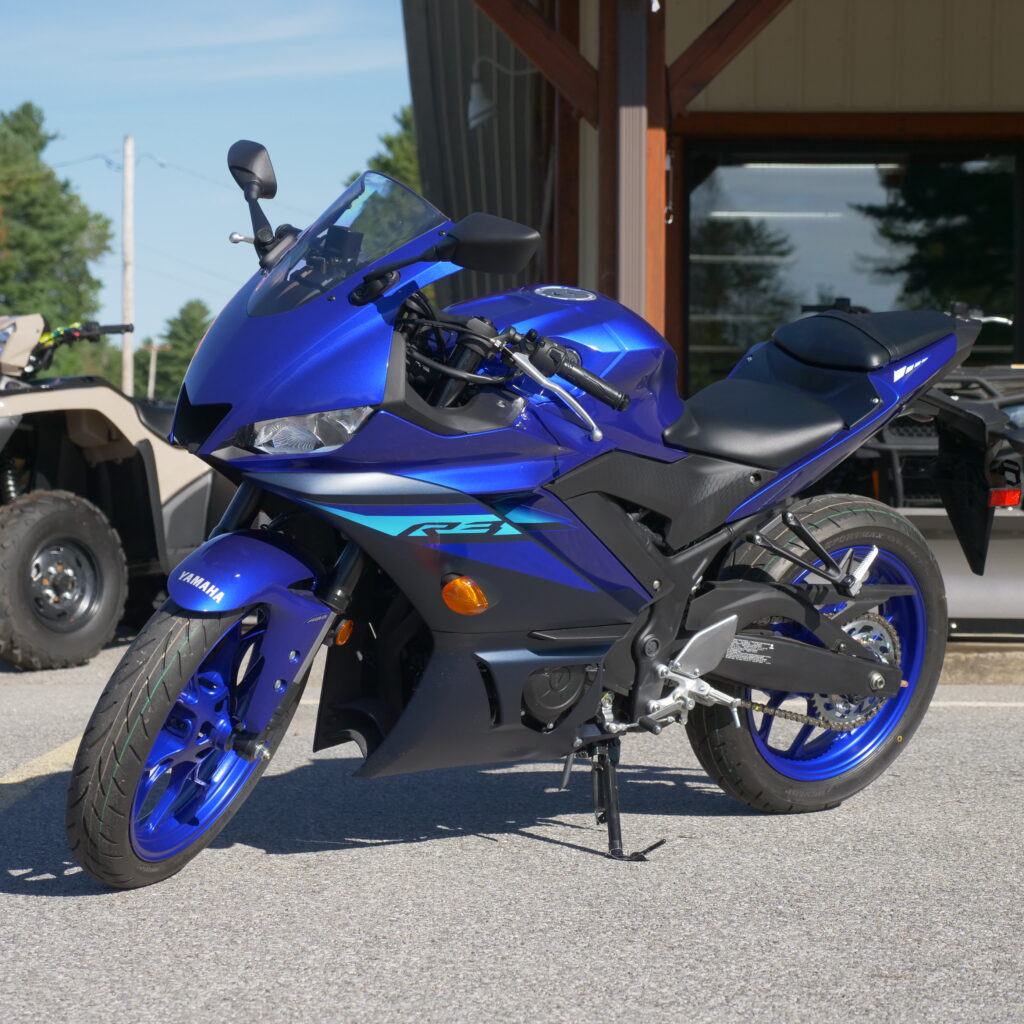
Sport Bikes: Lightweight & Sharp
Sport bikes are what most people picture when they think “motorcycle”—full fairings, aggressive styling, and a more forward-leaning riding position. But not all sport bikes are intimidating. These models are specifically known for being beginner-friendly without being boring.
Why they’re great for new riders:
- Lightweight and easy to handle
- Smooth, predictable power delivery
- Strong braking and modern safety features (like ABS)
- Great for learning throttle control and cornering
What to expect:
- A slightly leaned-forward riding position (more aggressive than a cruiser)
- Higher foot pegs and tighter ergonomics
- More wind protection at higher speeds
Best for: Riders who want a sporty look and feel, plan to ride pavement, and like the idea of carving corners or commuting with style.
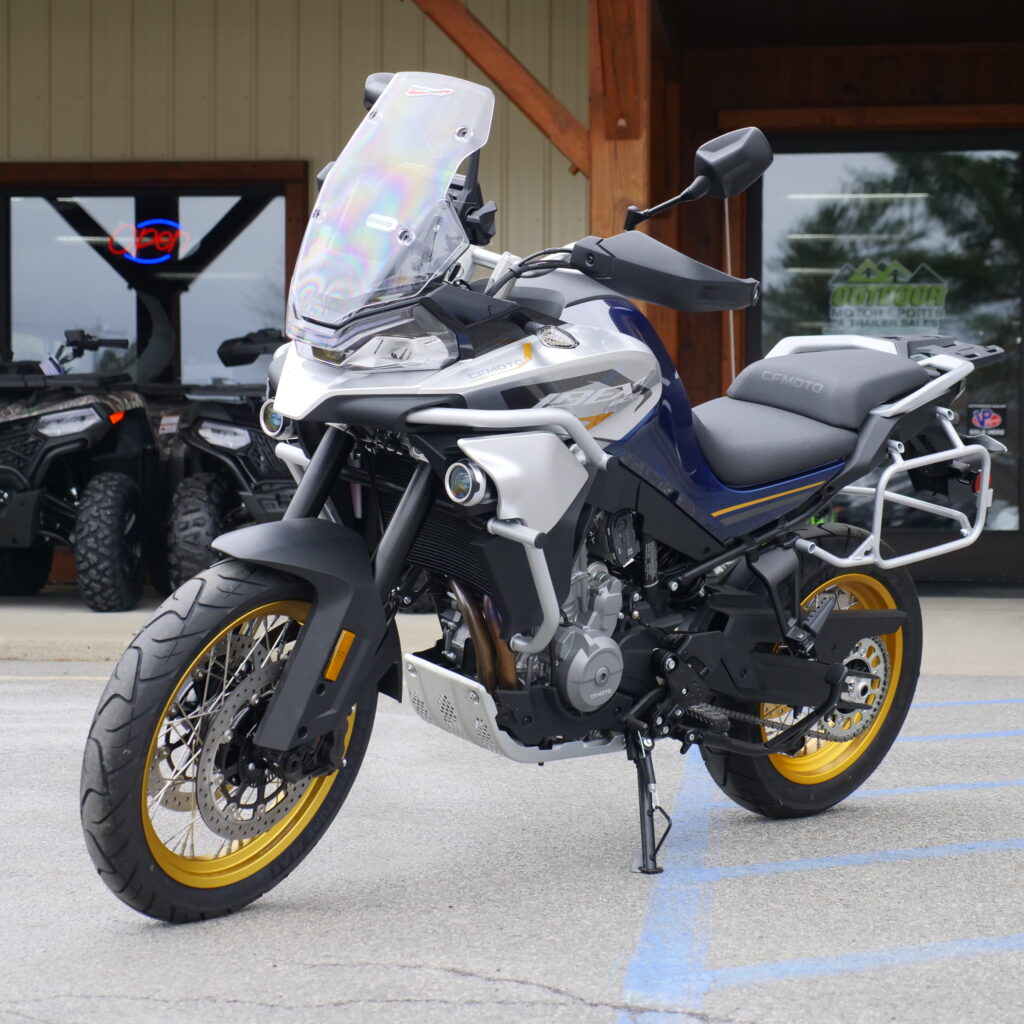
Dual Sport & Adventure Bikes: Built for Anything
- Honda CRF300L Rally
- CFMOTO IBEX 450
- Honda NX500
- Yamaha WR125
If your idea of riding includes backroads, dirt trails, or long-distance exploring, dual sport and adventure bikes open up a whole different world.
These bikes are designed to handle both pavement and off-road, making them incredibly versatile—especially in areas where the road doesn’t always stay paved.
Why they’re great for new riders:
- Upright seating position (excellent visibility and comfort)
- Softer power delivery for better control on loose terrain
- Built to handle bumps, potholes, and rough roads
- Extremely versatile—you’re not limited to just the street
What to expect:
- Taller seat height (this is the biggest adjustment for most beginners)
- Longer suspension travel (you’ll feel more movement)
- Lighter weight on dual sports, slightly heavier on adventure bikes
Do You Need a Motorcycle License in New York?
Here’s something a lot of people don’t realize:
You can legally BUY a motorcycle without a motorcycle license in New York.
But—you cannot legally ride it on public roads without the proper endorsement.
To ride legally, you’ll need a Class M or MJ license through the New York State Department of Motor Vehicles.
Basic Steps:
- Get your motorcycle learner permit
- Practice riding (with restrictions)
- Pass a road test or complete a certified safety course
Take a Motorcycle Safety Course (Seriously—Do This)
If there’s one piece of advice that matters most—it’s this.
Take a course through the Motorcycle Safety Foundation or a New York State-approved provider.
Why it’s worth it:
- You’ll learn real-world riding skills (not just how to pass a test)
- Many courses provide the bike for you
- You may skip the DMV road test after completion
- Insurance discounts are often available
Most importantly—it builds confidence fast and reduces your risk significantly.
Things to Consider Before You Buy
1. Your Experience Level
Be honest. If you’ve never ridden before, start smaller. You can always upgrade later.
2. Seat Height & Fit
You should be able to:
Put at least one foot flat on the ground
Comfortably reach the handlebars
Feel balanced at a stop
3. Intended Use
Ask yourself:
Commuting?
Weekend cruising?
Long-distance trips?
Your answer should influence the type of bike you choose.
4. Insurance & Costs
Smaller bikes:
Cost less to insure
Get better fuel economy
Are cheaper to maintain
5. Gear (Don’t Skip This)
At minimum:
DOT-approved helmet
Gloves
Jacket
Boots
This isn’t optional—it’s part of riding responsibly.
Final Thoughts
Your first motorcycle doesn’t need to be your forever bike—it just needs to be the right starting point.
Bikes like the Honda Rebel 300, Honda Rebel 500, Honda CB300R, and Honda CB500F are popular for a reason—they make learning enjoyable, not intimidating. And options like the CFMOTO 450SS and CFMOTO IBEX 450 give you room to grow while still being beginner-friendly.
Take your time, get trained, and make a smart choice.
Because once you get it right—there’s nothing like that first ride.
Choosing Outdoor Motor Sports as your first motorcycle dealer!
Buying your first motorcycle isn’t just about the bike—it’s about who guides you through the process. That’s where Outdoor Motor Sports & Trailer Sales stands out.
For first-time riders, the process can feel overwhelming: figuring out the right model, understanding pricing, navigating DMV paperwork, and making sure everything is actually road-ready. Working with a dealership that handles all of that in-house makes a huge difference.
At Outdoor Motor Sports, the focus is on making things simple and stress-free, especially for beginners. Their team walks you through:
- Choosing a bike that actually fits your experience level
- Breaking down pricing so there are no surprises
- Handling DMV registration, inspection, and paperwork for New York State
- Answering real questions—without the pressure
Another big advantage? Financing and flexibility. For many first-time buyers, figuring out how to pay for a motorcycle can be just as confusing as choosing one. Having an in-house finance team that can walk you through options—and work with different types of down payments—helps remove that barrier.
At the end of the day, your first dealership experience should feel supportive, not intimidating. The right dealer won’t just sell you a motorcycle—they’ll make sure you leave confident, informed, and excited to ride.